>99% Purity
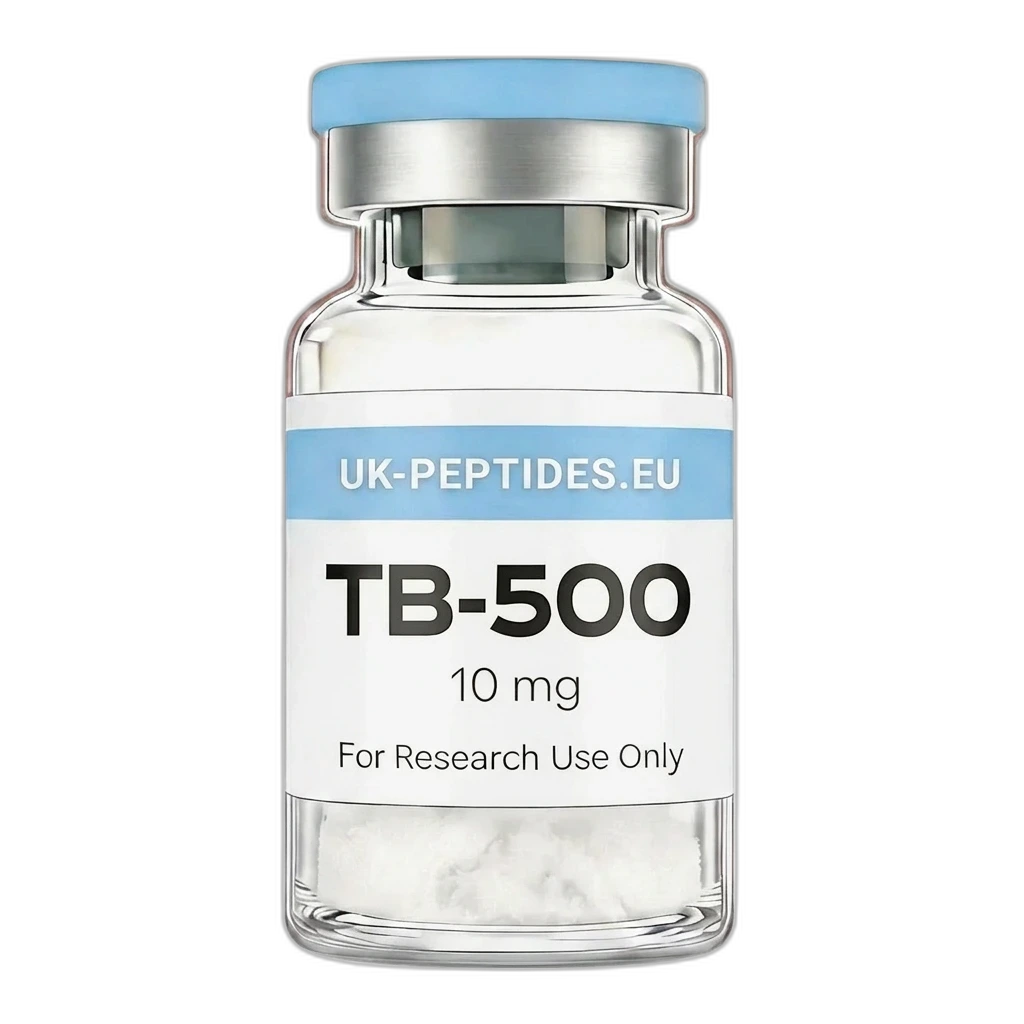
TB-500
Thymosin Beta-4 fragment — muscle recovery and tissue regeneration research
€135–€365 EUR
View Product
Tissue repair peptide with 100+ peer-reviewed publications on healing and recovery
Select Quantity
Secure checkout via Peptide-Pay · Visa, Mastercard, Apple Pay, SEPA
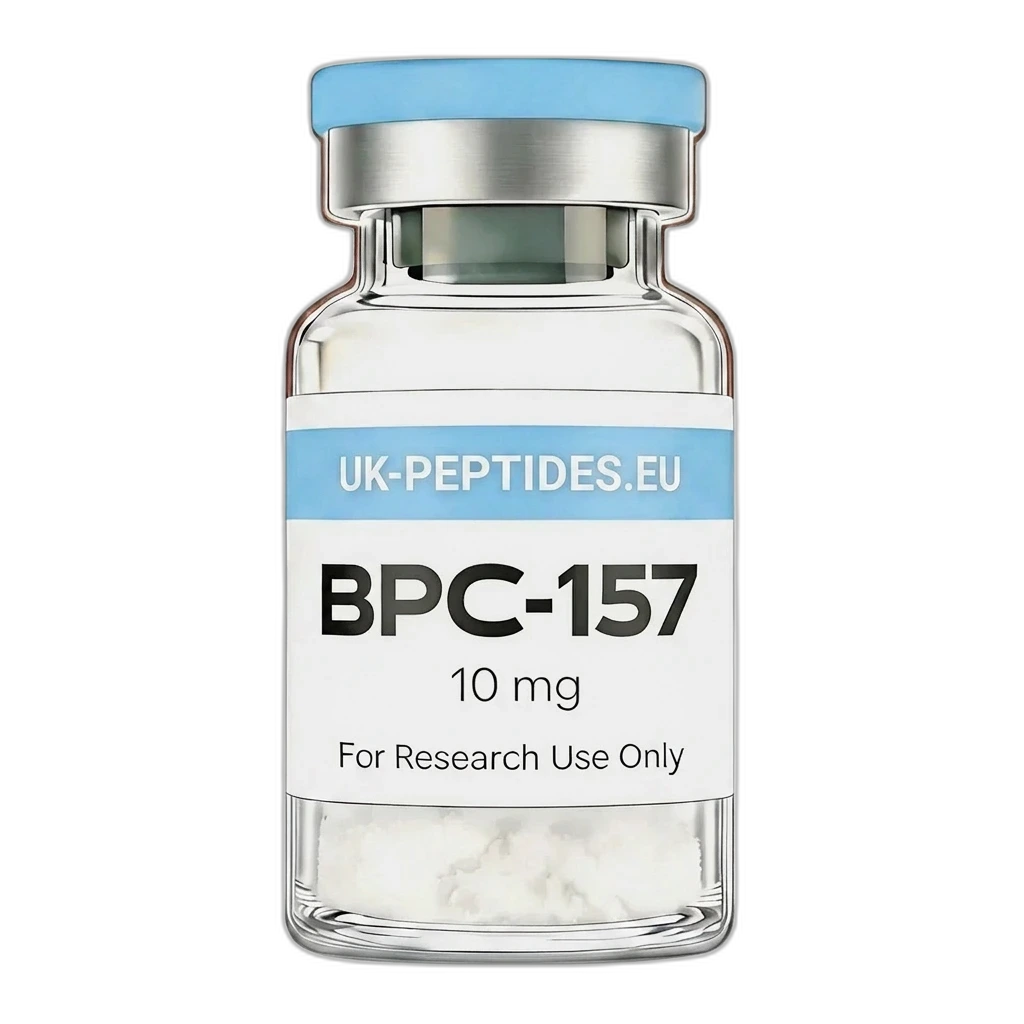
BPC-157 (Body Protection Compound 157) is a synthetic pentadecapeptide derived from a protective gastric protein, comprising 15 amino acids (Gly-Glu-Pro-Pro-Pro-Gly-Lys-Pro-Ala-Asp-Asp-Ala-Gly-Leu-Val). With over 100 peer-reviewed publications, it is one of the most extensively studied repair-associated peptides in current research. Its mechanisms centre on upregulation of growth hormone receptors in tendon fibroblasts, promotion of angiogenesis via VEGF pathways, and modulation of nitric oxide synthesis. Animal model studies demonstrate accelerated healing of tendons, ligaments, muscles, and corneal tissue. It also exhibits notable gastroprotective properties in the research literature.
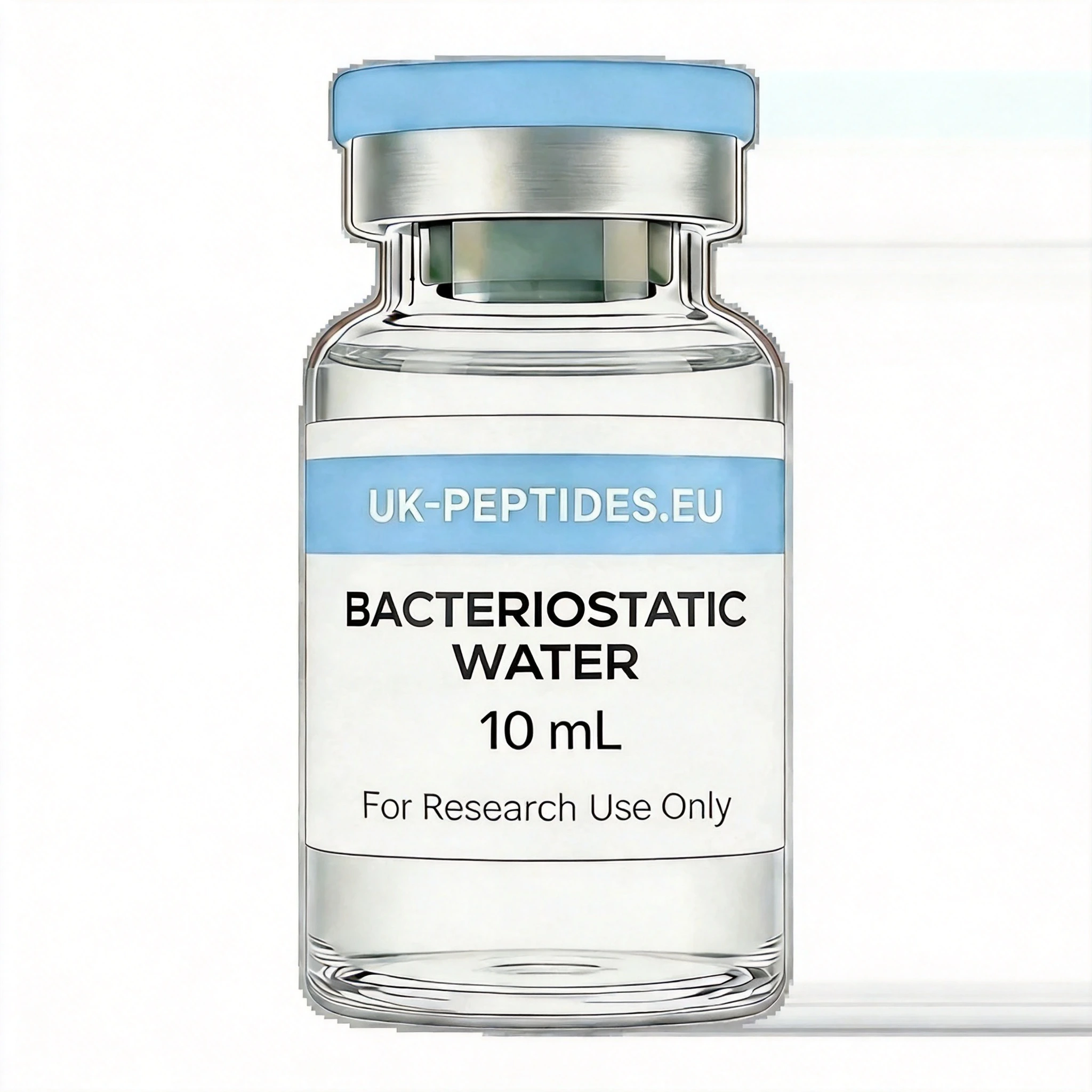
Solvent: Bac Water (0.9% benzyl alcohol)
Volume: 1–2 mL
Concentration: 10 mg/mL at 1 mL
Ongoing research at the University of Zagreb (Sikiric et al.) spanning three decades has produced the majority of published data. Key areas include tendon-to-bone healing, intestinal fistula repair, and nitric oxide pathway modulation. Research models include rats, mice, and in vitro cell cultures.
Thymosin Beta-4 fragment — muscle recovery and tissue regeneration research
Sterile reconstitution solvent — 0.9% benzyl alcohol, research grade